CNC milling guide · 10 min read
Custom Part Manufacturing in Sri Lanka: From Sketch to Finished Product
Need a custom part made in Sri Lanka? CNCFactory walks you through the entire process — from a rough sketch or drawing to a precision-machined finished component.
Published 11 July 2026 · CNCFactory
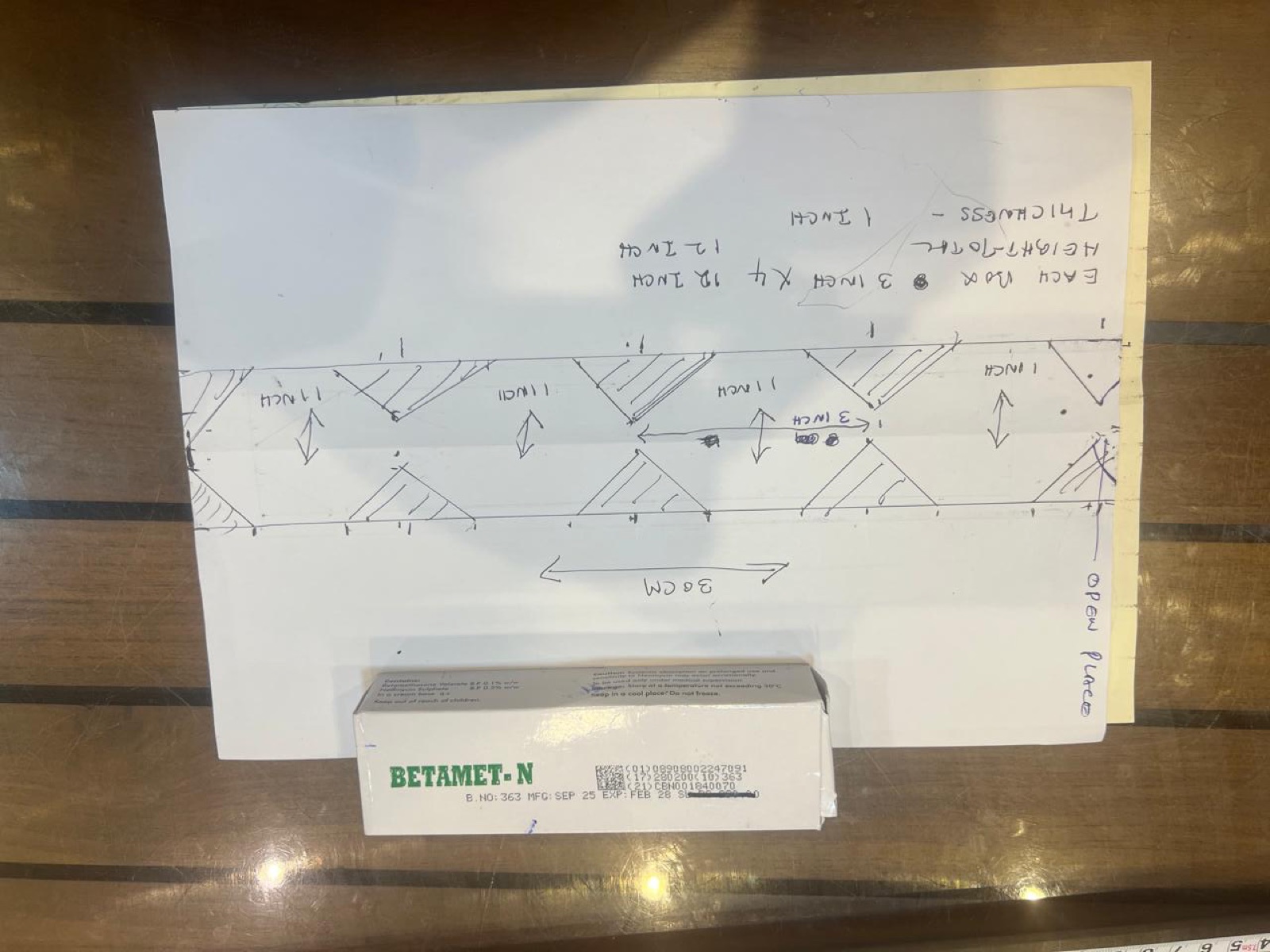
You have a part you need made. Maybe it's a replacement for something that broke and is no longer available. Maybe it's a component you've designed from scratch. Maybe it's just a sketch on paper, and you're not sure how to move forward.
Whatever stage you're at, custom part manufacturing in Sri Lanka is more accessible than most people realise. This article walks through the entire journey—from your initial idea to a finished, precision-machined component in your hands.
Why Custom Part Manufacturing?
Off-the-shelf parts cover a lot of ground—but not everything. There are situations where a standard catalogue part simply doesn't exist, doesn't fit, or isn't strong enough for the application. Common reasons people come to a custom machine shop include:
- A spare part for a machine that's no longer manufactured
- A prototype of a new product that needs real-world testing
- A component with specific dimensions that no standard part matches
- A mould or tooling piece for a manufacturing process
- A jig or fixture to hold other parts during assembly or inspection
- A one-off custom piece for a specialised application
In all these cases, the answer is the same: have it made to your exact specification.
Step 1: Start With What You Have
The most common reason people hesitate to approach a machine shop is that they don't have a professional drawing or 3D file. This is not a barrier.
A good machine shop can work from almost any starting point:
- A 2D sketch with dimensions — even a hand-drawn sketch, as long as the key dimensions are noted
- A 2D engineering drawing — a dimensioned drawing in PDF or DXF format
- A 3D CAD file — STEP (.stp), SolidWorks (.sldprt), or similar
- A physical sample — an existing part you need copied or modified
- A photo with reference dimensions — useful for simpler parts
The more information you can provide upfront, the faster and more accurately the part can be quoted and made. But don't let a lack of a formal drawing stop you from reaching out.
Step 2: CAD Modelling—Turning Your Idea Into a Digital Part
If you don't already have a 3D CAD model, this is where it gets built.
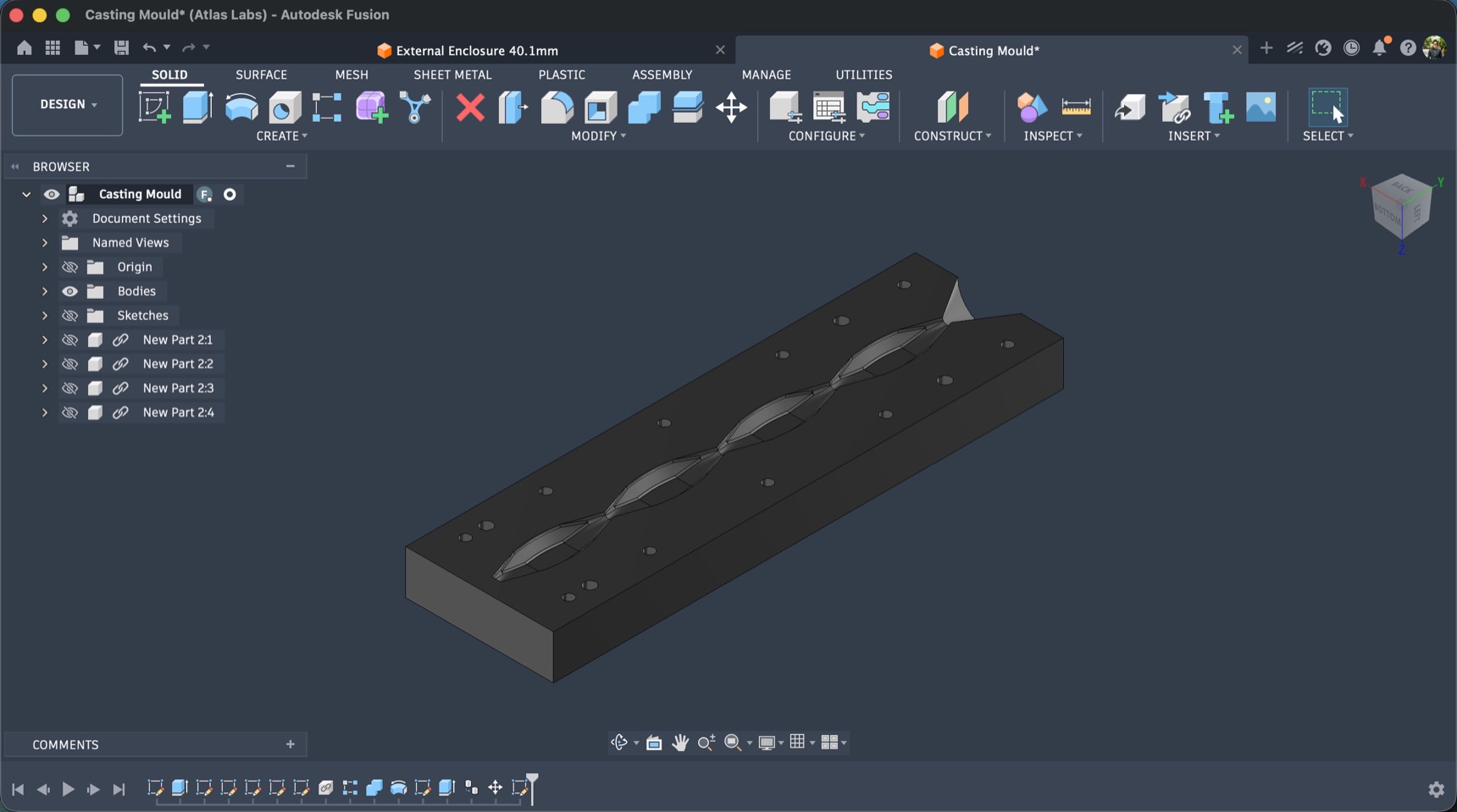
CAD (Computer-Aided Design) software is used to create a precise 3D representation of your part. Every surface, hole, pocket, thread, and fillet is modelled digitally before a single cut is made on the machine. This digital model becomes the master reference for everything that follows.
At CNCFactory, we offer CAD modelling as part of our service. If you come in with a sketch or a physical sample, we'll build the 3D model for you. If you already have a STEP or SolidWorks file, we'll work directly from that.
Step 3: Design for Manufacturability (DFM) Review
Before machining begins, a good machine shop will review your design for manufacturability—meaning they'll check whether the part can be efficiently and accurately made the way it's currently designed.
Common DFM considerations include:
- Wall thickness — thin walls can flex or chatter during cutting
- Internal corner radii — a milling cutter is round, so sharp internal corners need a radius
- Deep pockets — very deep features require long tools, which can affect accuracy
- Tolerances — tighter tolerances cost more; a DFM review flags where they're unnecessary
- Thread specifications — ensuring threads are standard sizes that fit available tooling
This review step saves time and money. A part that's difficult to machine costs more and takes longer—small design adjustments can make a significant difference to both.
Step 4: Toolpath Programming (CAM)
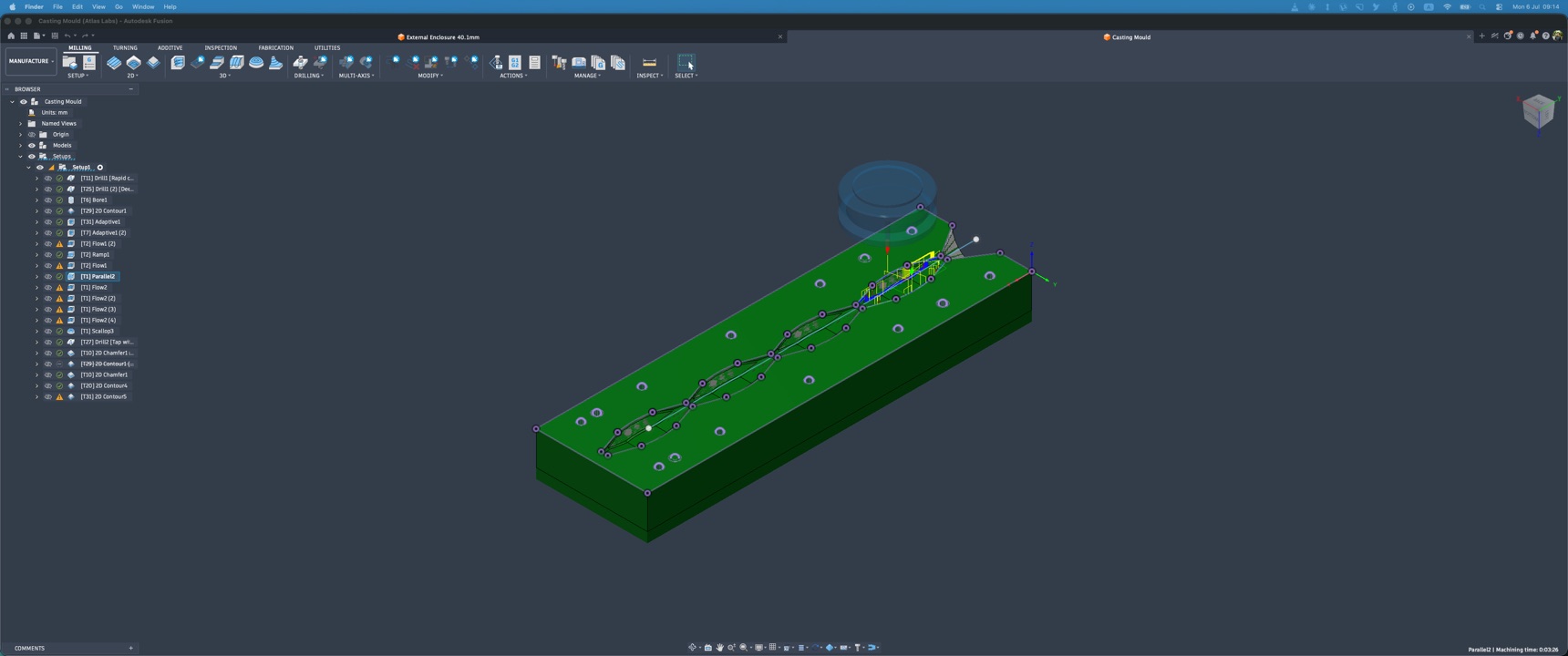
Once the CAD model is confirmed, the machinist programs the toolpaths—the exact cutting paths the machine will follow to produce the part.
This is done in CAM software (Computer-Aided Manufacturing), which translates the 3D model into machine code (G-code). The program specifies which cutting tool to use, the cutting speed and feed rate, the depth of each pass, and the sequence of operations.
A well-programmed job runs efficiently, uses tools correctly, and produces a good surface finish. Poor programming wastes material, breaks tools, and leaves poor surfaces—which is why experience at this stage matters.
Step 5: Material Selection
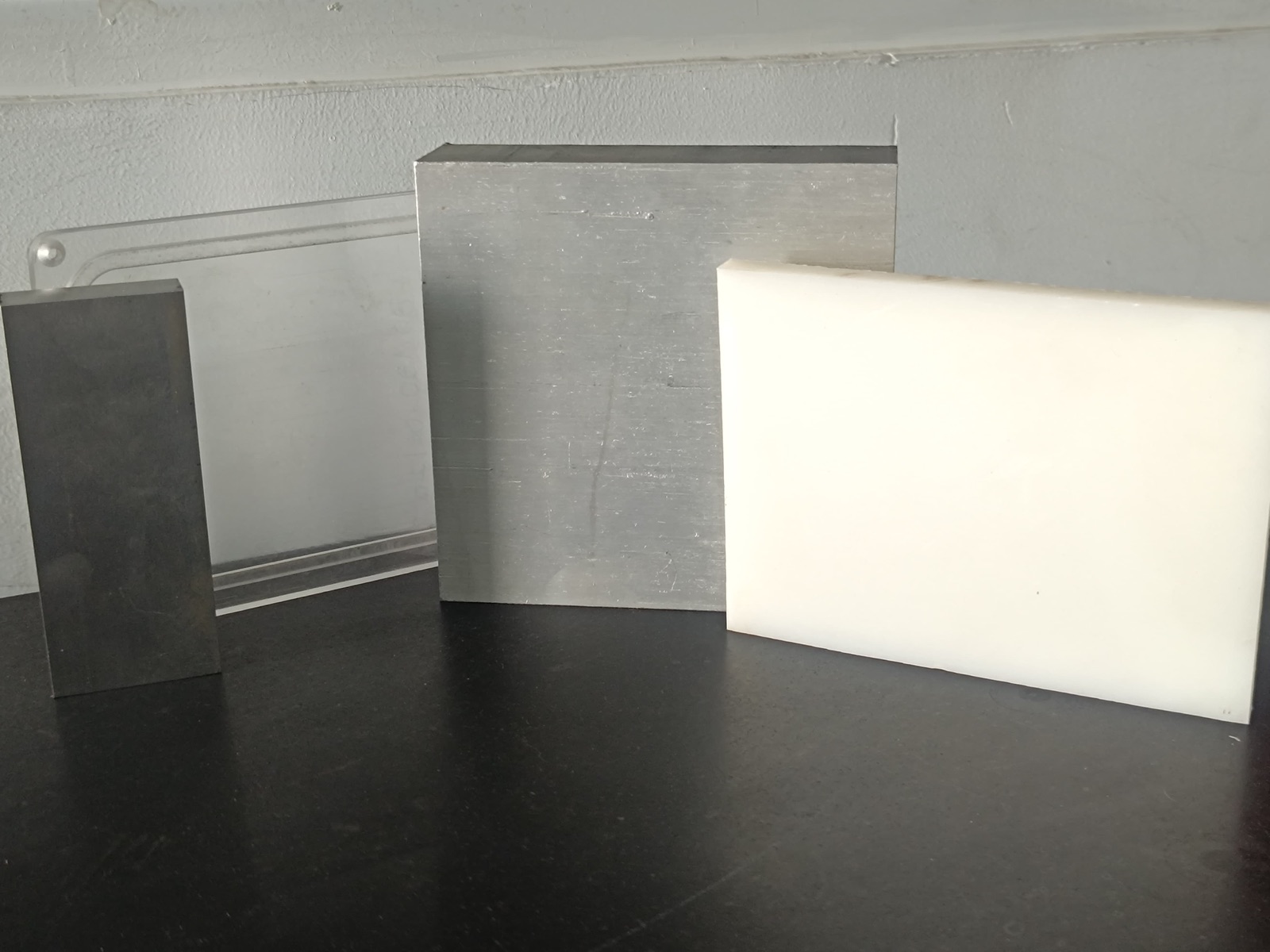
The right material for your part depends on what it needs to do. Here's a practical guide to the materials we machine at CNCFactory and their common applications:
| Material | Best for | Notes |
|---|---|---|
| Aluminium | Enclosures, brackets, prototypes, housings | Lightweight, machines quickly, good surface finish |
| Mild steel | Structural parts, fixtures, frames | Strong and affordable |
| Stainless steel | Corrosion-resistant parts, food equipment | Harder to machine, higher cost |
| P20 steel | Injection moulds, press tools | Industry-standard mould steel |
| Acrylic (PMMA) | Displays, covers, light pipes | Can be polished to optical clarity |
| HDPE | Food-safe parts, wear pads, guides | Chemical-resistant and tough |
| Nylon | Gears, bushings, low-friction parts | Good wear resistance |
If you're unsure which material suits your application, we're happy to advise based on the part's function and operating environment.
Step 6: Machining
With the material loaded and the program ready, machining begins. The raw stock is clamped securely to the machine table, the reference points are probed and set, and the program runs.
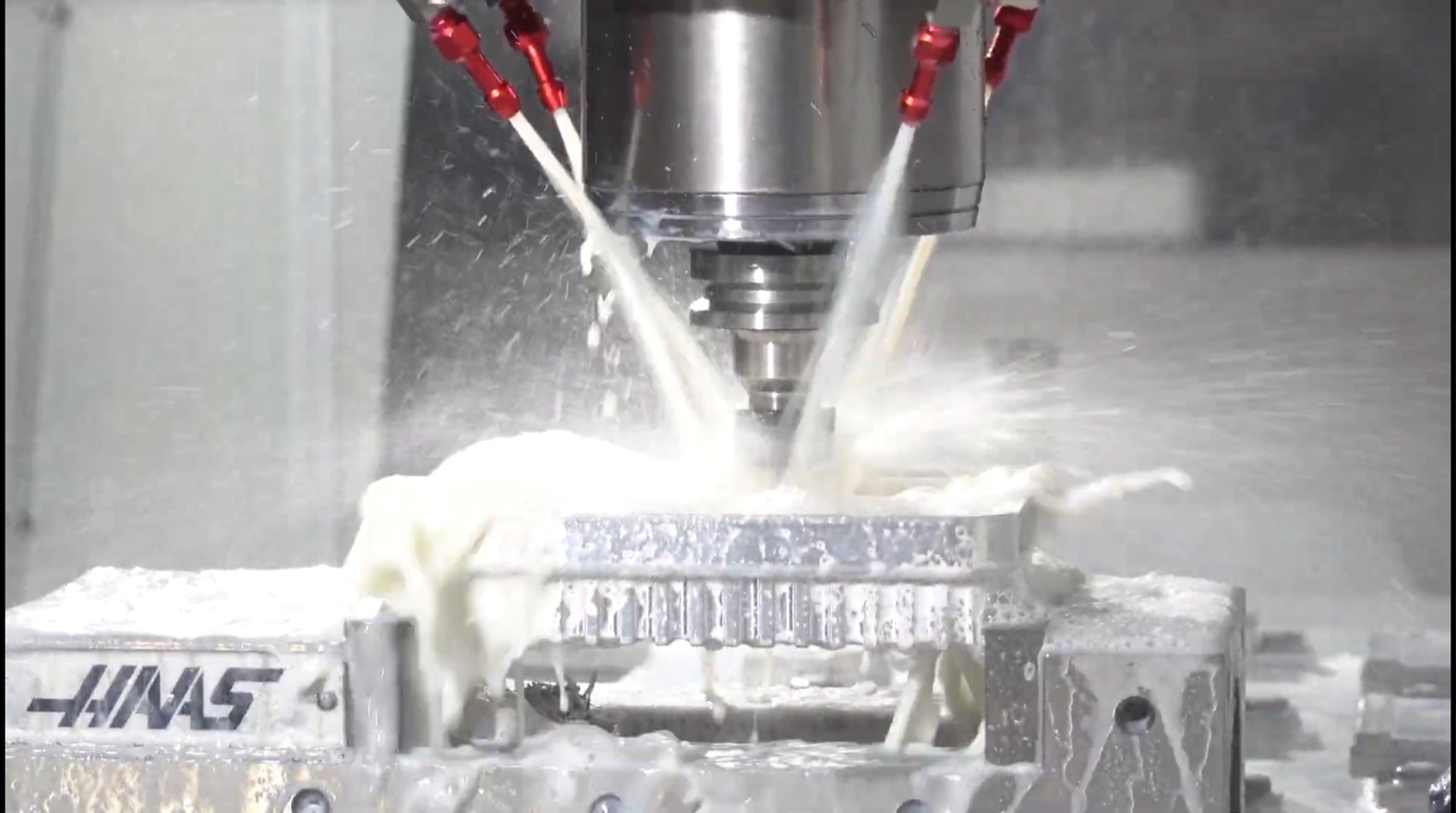
At CNCFactory, we operate a HAAS VF-2 3-axis vertical machining centre. The machine performs all the required operations—facing, pocketing, contouring, drilling, tapping—in sequence, with coolant applied throughout to manage heat and clear chips.
Depending on the complexity of the part, machining may be done in a single setup or multiple setups, repositioning the part to machine different faces. Our standard tolerance is ±0.02mm, which covers the vast majority of custom part requirements.
Step 7: Inspection & Quality Check
Once machining is complete, the part is inspected against the drawing dimensions.
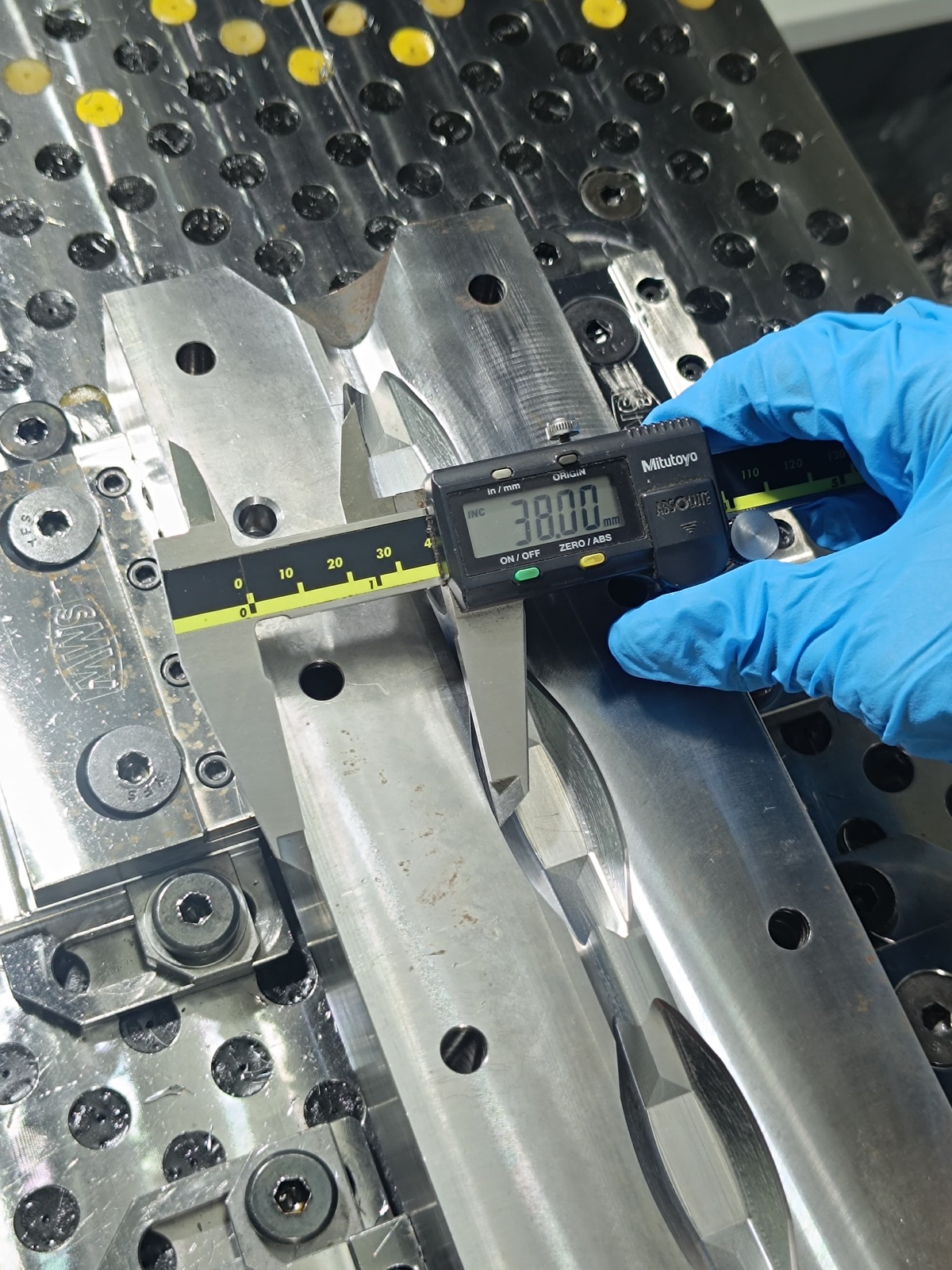
At CNCFactory, we use on-machine probing to verify critical features while the part is still clamped. This means any deviation is caught immediately—before the part is removed and before any rework becomes difficult.
Final checks include:
- Critical dimensions verified with digital callipers and micrometers
- Thread gauging for tapped holes
- Visual inspection of surface finish
- Deburring of edges and sharp corners
Only parts that meet the specified dimensions are released. If something is out of tolerance, it's re-machined or remade before delivery.
Step 8: Collection & Delivery
Once your part passes inspection, it's ready. At CNCFactory, parts are available for pickup from our workshop on Vauxhall Street, Colombo 02. Our standard turnaround is 5 working days from drawing confirmation.
Payment is 50% advance to confirm the job, with the balance on collection—cash or bank transfer.
What Does Custom Part Manufacturing Cost in Sri Lanka?
Pricing is based on several factors:
- Machining time — the primary driver; more complex parts take longer
- Material cost — aluminium is generally the most affordable, steel and mould steels are higher
- Quantity — setup time is spread across more parts in larger runs, reducing per-part cost
- Tolerances — tighter tolerances require slower cutting speeds and more inspection time
- Surface finish — additional finishing operations such as polishing or anodising add cost
The best way to get an accurate price is to send your drawing. At CNCFactory, quotations are returned within 12 hours of receiving a file.
Real Examples: What Gets Made at CNCFactory?
Custom part manufacturing in Sri Lanka covers a wide range of industries and applications. Some common job types we handle:
- Replacement parts for industrial machinery no longer in production
- Prototype components for product development and engineering testing
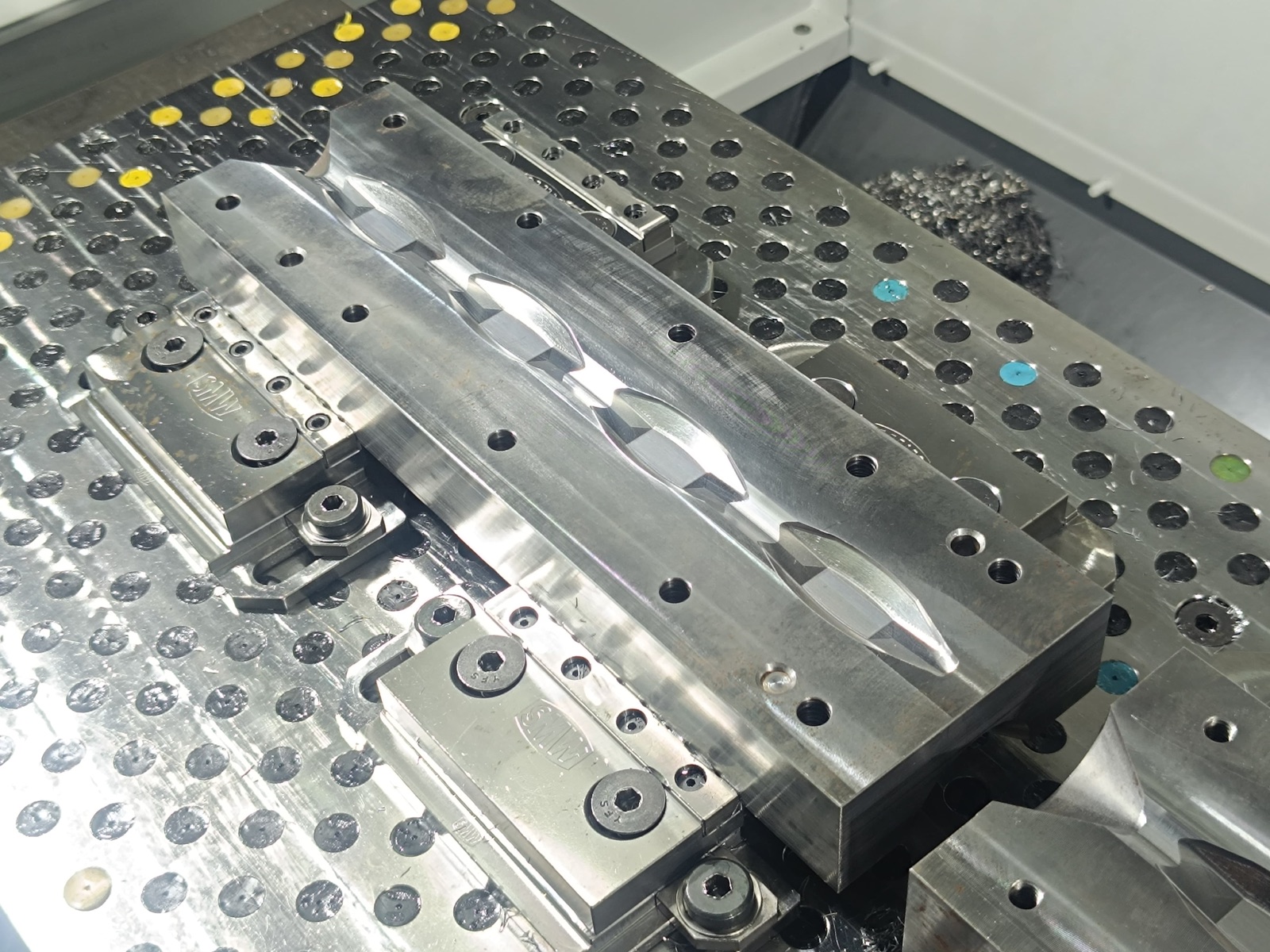
- Mould cavities for injection moulding of plastic parts
- Jigs and fixtures for assembly lines and quality control
- Aluminium enclosures for electronics and control systems
- Acrylic panels and covers for display and signage applications
- Steel brackets and structural components for mechanical assemblies
Getting Started: How to Send Your Job to CNCFactory
The process is straightforward:
- Send your file or sketch — WhatsApp, email, or bring it in person
- We confirm material, finish, and quantity — and clarify anything unclear
- You receive a quotation — within 12 hours
- Confirm and pay 50% advance — the job enters the queue
- The part is machined and inspected — within 5 working days
- Collect your finished part — from our Colombo 02 workshop
No complicated forms. No minimum order quantities. Whether you need one part or fifty, the process is the same.