CNC milling guide · 9 min read
What Is CNC Milling? A Beginner's Guide
New to CNC milling? Learn how it works, what materials it cuts, how accurate it is, and when to choose it — from CNCFactory, Colombo's precision milling shop.
Published 11 July 2026 · CNCFactory
If you have a part in your head — or on a napkin sketch — and you need it made accurately from metal or plastic, CNC milling is almost certainly the process you're looking for. But if you've never worked with a machine shop before, the terminology can feel like a wall.
This guide breaks it down in plain terms. By the end, you'll know exactly what CNC milling is, how the process works, what materials it handles, and whether it's the right choice for your project.
What Does CNC Stand For?
CNC stands for Computer Numerical Control. In short, it means a computer controls the movement of the cutting tool — not a human hand operating levers. Every cut, every pass, every hole follows a programmed path derived from your design file.
This matters because it removes human error from the equation. The machine repeats the same motion with the same precision every single time, whether it's cutting one part or a hundred.
What Is a CNC Mill?
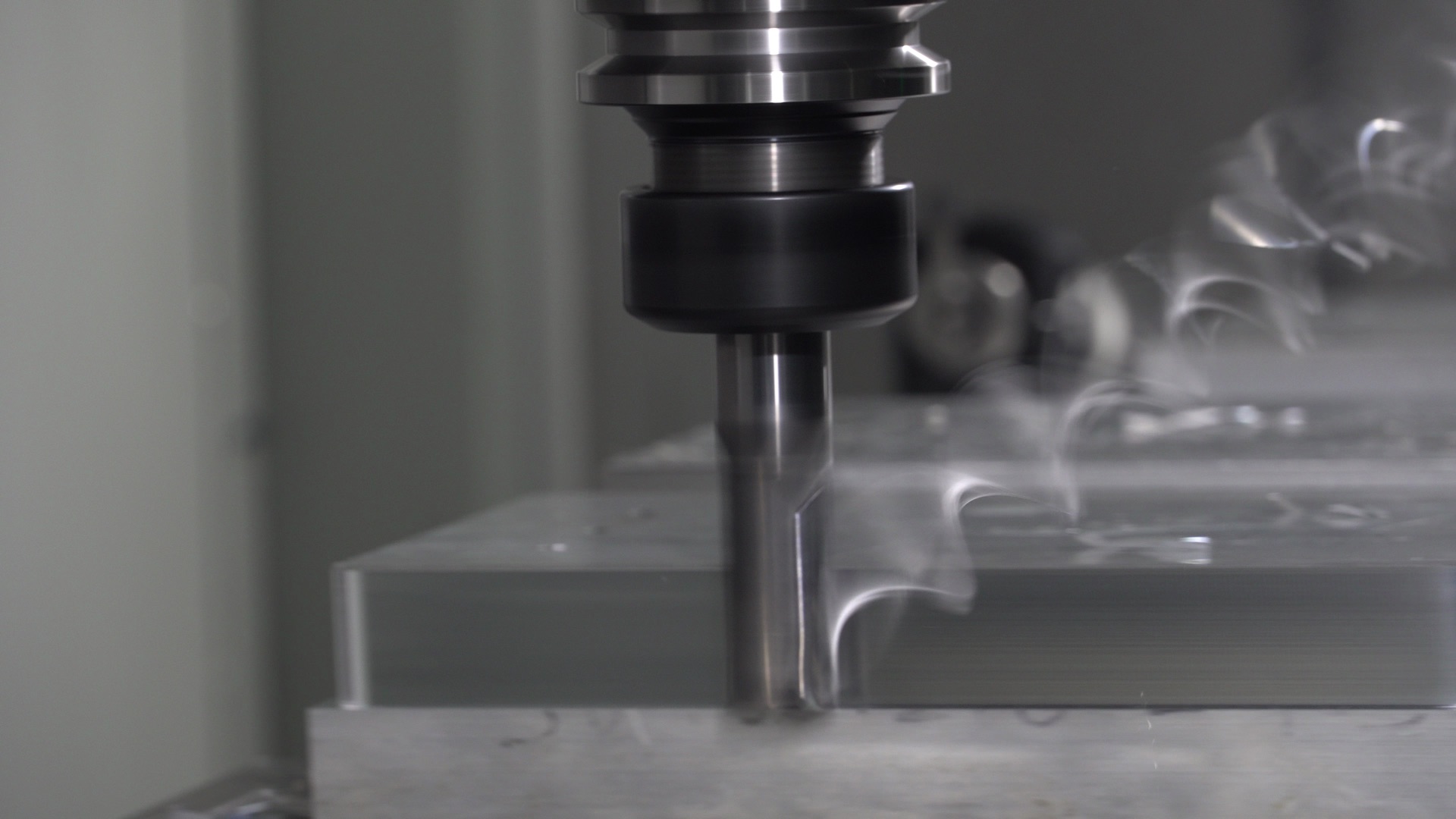
A CNC mill is a machine that holds a spinning cutting tool—an endmill, drill bit, or similar—and moves it across a fixed workpiece in multiple directions to remove material. The result is a finished part that matches the geometry of the digital design.
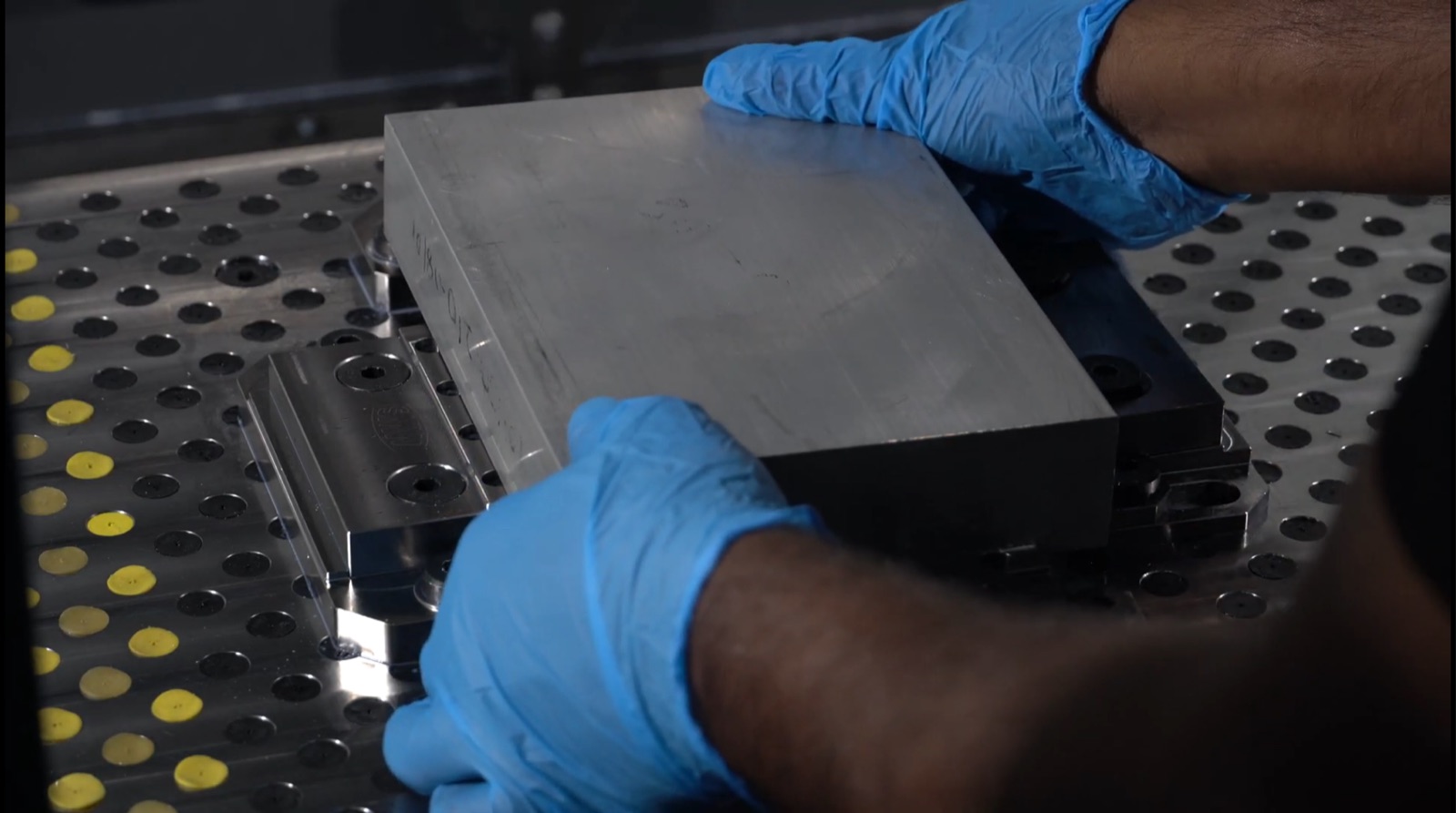
The workpiece—your raw block of aluminium, steel, plastic, or other material—is clamped securely to the machine's table. The cutting tool then follows a programmed toolpath, carving out pockets, contours, holes, and flat faces until the part is complete.
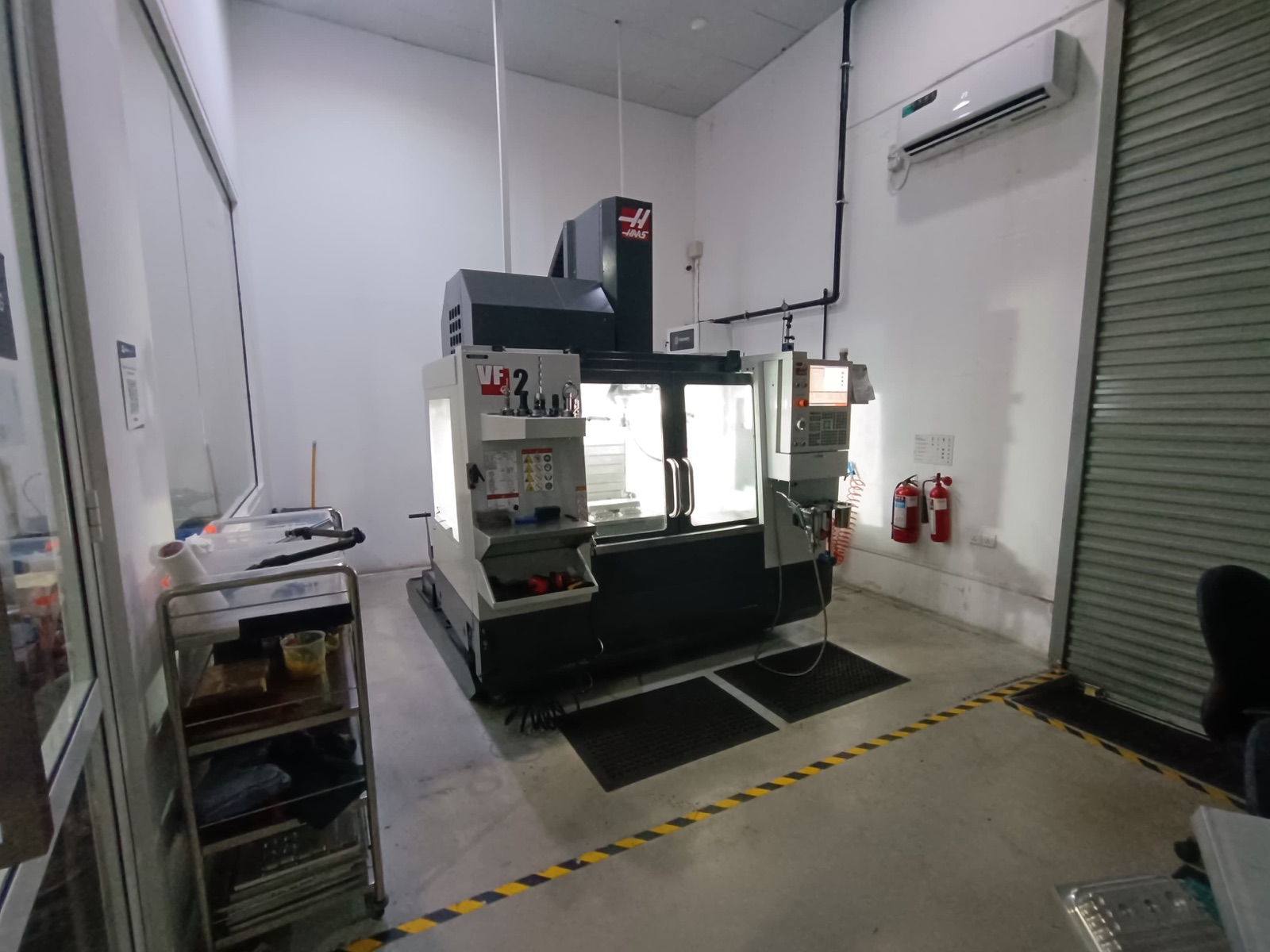
At CNCFactory, we run a HAAS VF-2, a professional-grade vertical machining centre used in manufacturing facilities worldwide. It performs 3-axis milling, meaning the cutting tool moves in three directions: left–right (X), front–back (Y), and up–down (Z).
How Does the CNC Milling Process Work?
From a customer's perspective, the process has a few clear stages:
1. Design (CAD)
Everything starts with a 3D model. This is built using CAD software (Computer-Aided Design)—programs like SolidWorks, Fusion 360, or AutoCAD. The model defines every dimension, hole, and surface of your part.
If you don't have a 3D file, a 2D drawing with dimensions, a physical sample, or even a detailed sketch can be used as a starting point. A machine shop can convert these into a workable model.
2. Toolpath Programming (CAM)
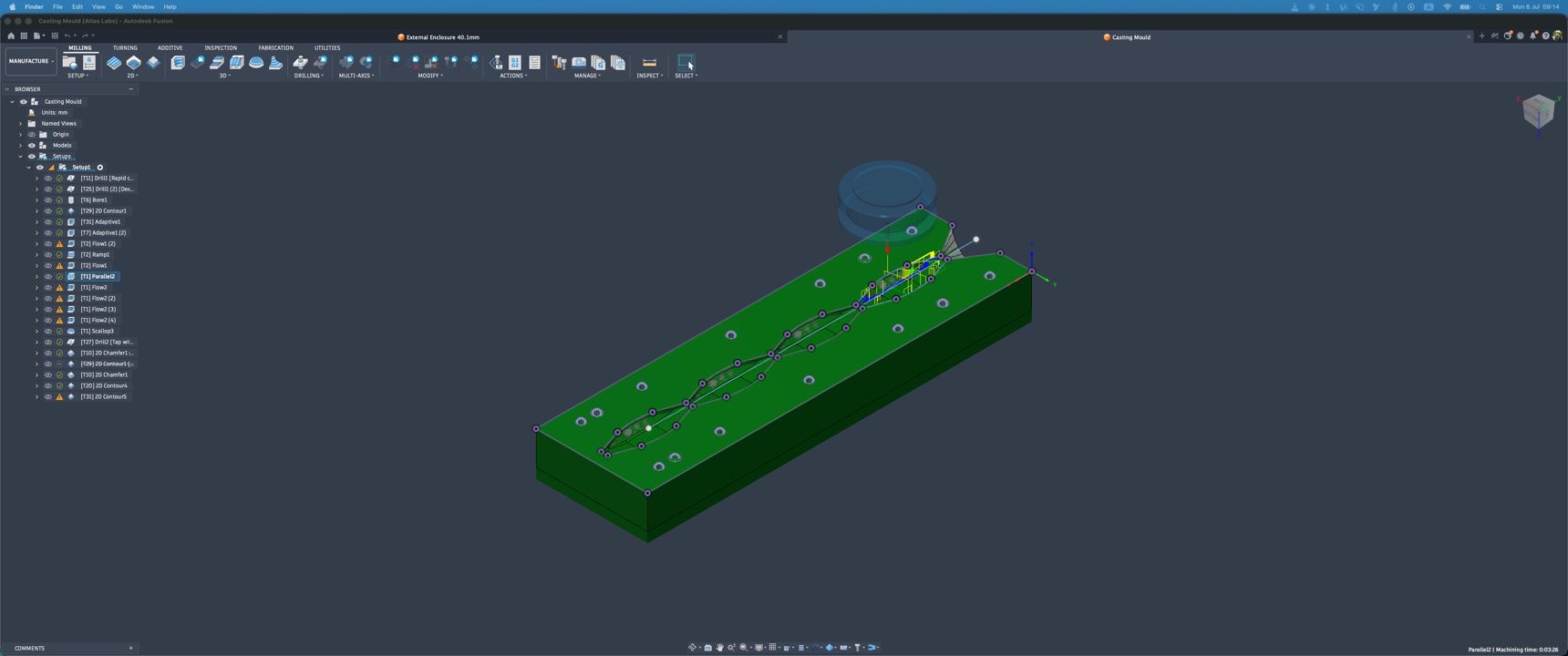
Once the 3D model is ready, CAM software (Computer-Aided Manufacturing) translates it into a set of toolpath instructions. These tell the machine exactly where to move, how fast to spin the cutter, how deep each pass should go, and in what sequence to cut each feature.
3. Setup
The machinist selects the correct cutting tools, clamps the workpiece to the table, and runs a probing routine to establish precise reference points—the origin of the part in machine coordinates. A good setup is what separates accurate results from scrap.
4. Machining
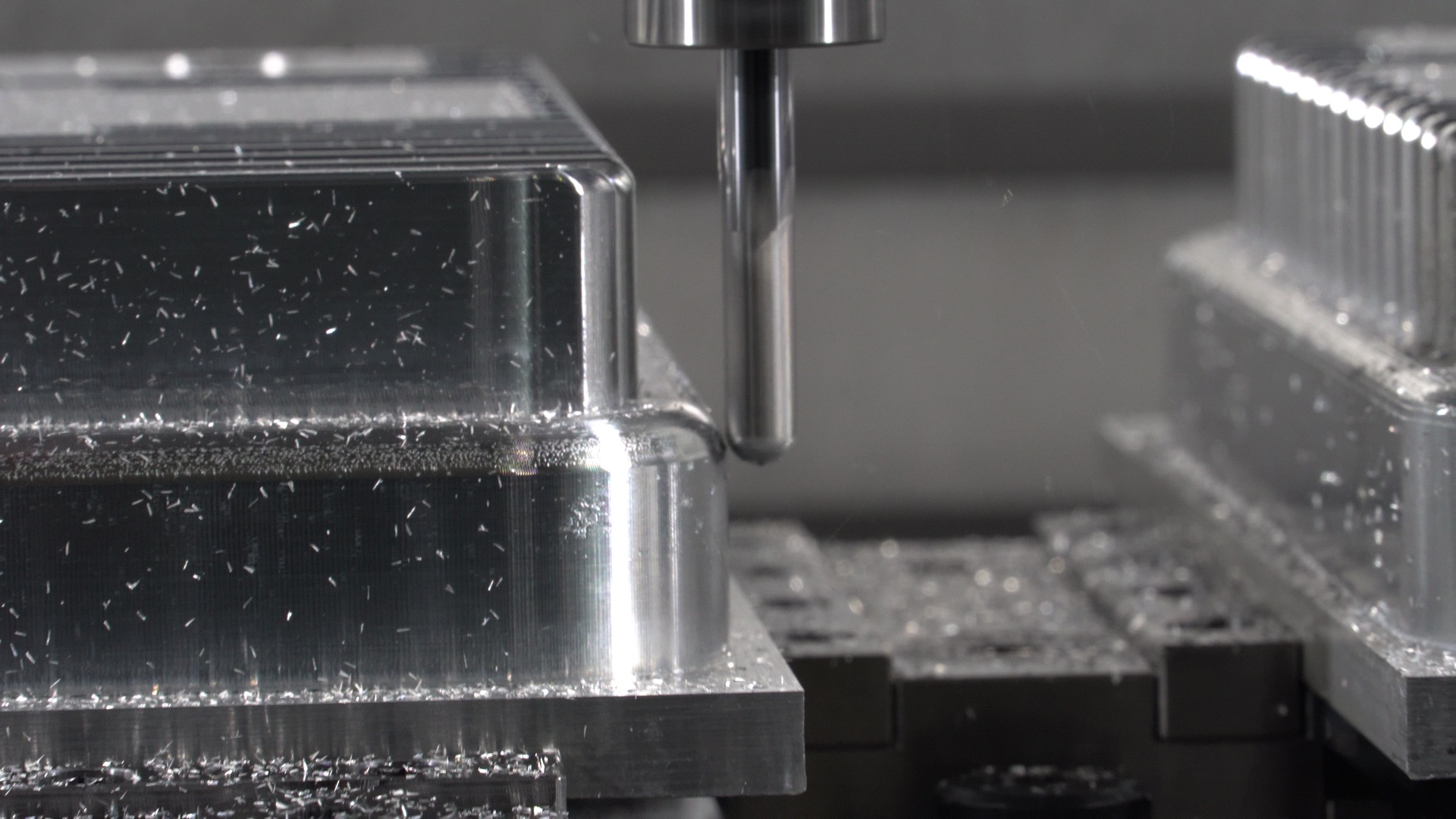
The machine runs the program. Coolant is applied to reduce heat and clear chips. The cutting tool works through the material—facing flat surfaces, milling pockets, drilling holes, cutting contours—until all features are machined.
5. Inspection
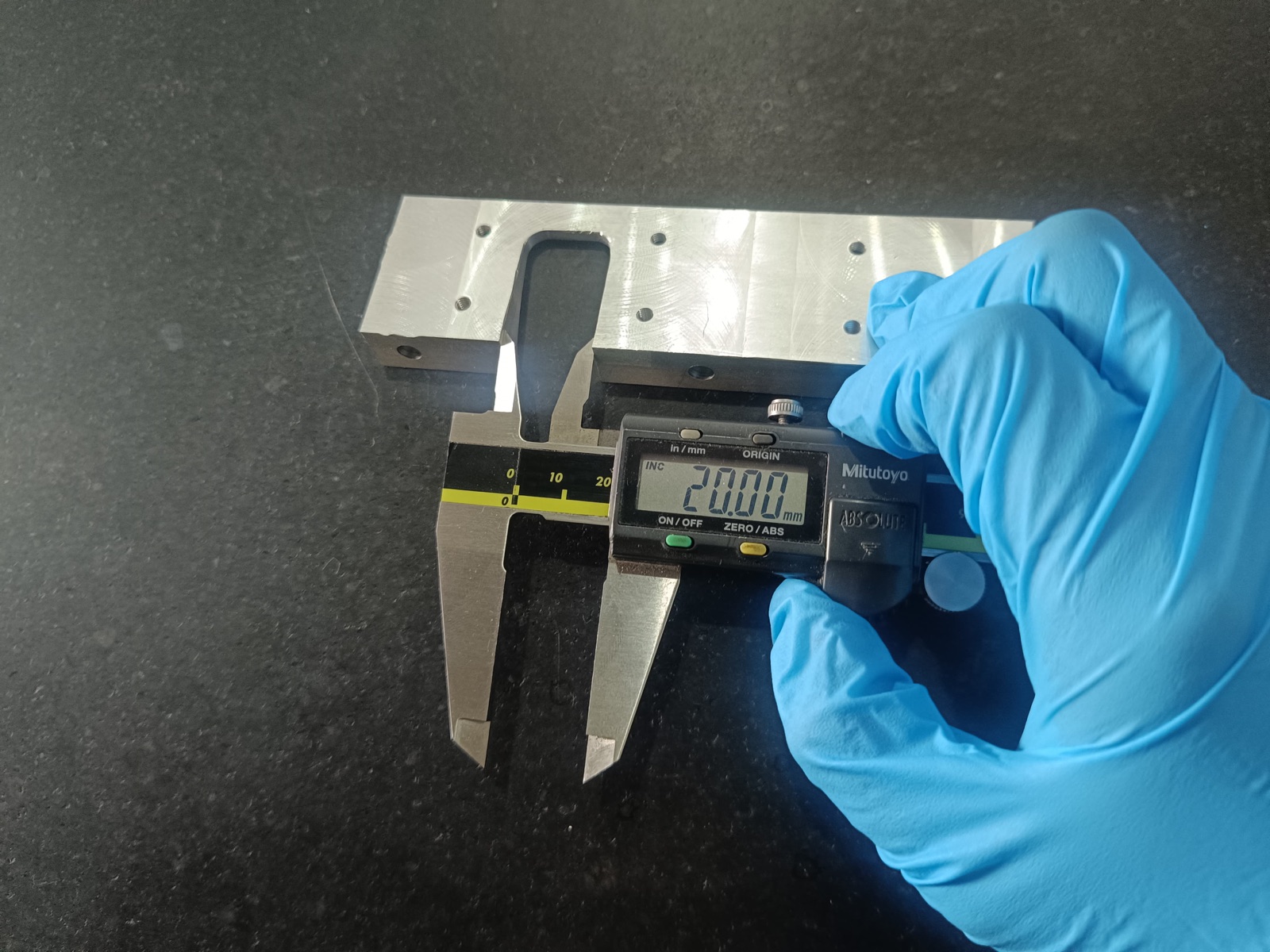
Finished parts are checked against the required dimensions. On-machine probing can automatically verify critical features while the part is still clamped, catching any deviation before the job is called complete.
What Operations Does CNC Milling Cover?
CNC milling isn't one single cut—it's a family of operations that together can produce almost any prismatic (non-round) shape:
- Facing — skimming the top surface flat and smooth
- Pocketing — removing material inside a closed boundary to create cavities or recesses
- Contouring — following an outer profile to shape the edges of a part
- Drilling — creating holes to a precise depth and diameter
- Tapping — cutting internal threads inside a drilled hole so a bolt can be screwed in
- Slotting — milling a narrow channel through or into the material
Most custom parts require several of these operations in one job.
What Materials Can Be CNC Milled?
CNC milling works across a wide range of metals and engineering plastics. Common materials include:
| Material | Common uses |
|---|---|
| Aluminium | Enclosures, brackets, housings, prototypes — machines fast and cleanly |
| Mild steel / stainless steel | Structural components, fixtures, parts needing strength |
| P20 steel | Injection moulds and press tools — a standard mould steel |
| Acrylic (PMMA) | Displays, covers, light guides — can be milled and polished clear |
| HDPE | Food-safe parts, wear blocks, cutting boards |
| Nylon | Gears, bushings, wear-resistant parts |
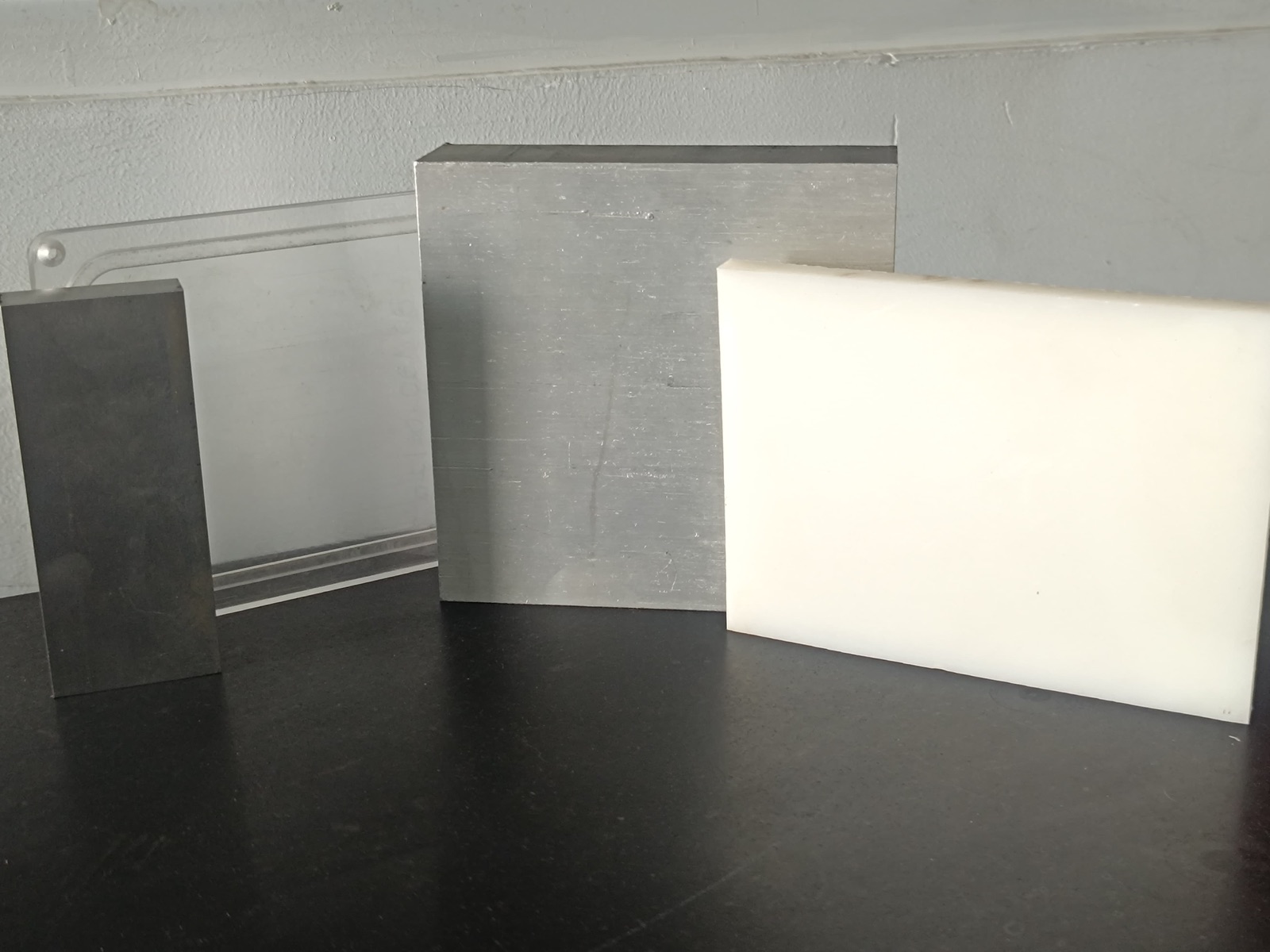
The right material depends on the part's function, the environment it operates in, the surface finish required, and your budget.
How Accurate Is CNC Milling?
This is one of CNC milling's biggest advantages over manual machining or 3D printing. A properly set up CNC mill can hold very tight tolerances—the allowed deviation from the target dimension.
At CNCFactory, our standard machining tolerance is ±0.02mm. To put that in perspective, a human hair is roughly 0.07mm thick. This level of accuracy means mating parts fit together correctly, threads engage properly, and assemblies work as designed.
Tolerances are specified on your drawing. Not every feature needs to be held to the tightest possible tolerance—calling out only what's critical keeps costs reasonable.
What Is CNC Milling Used For?
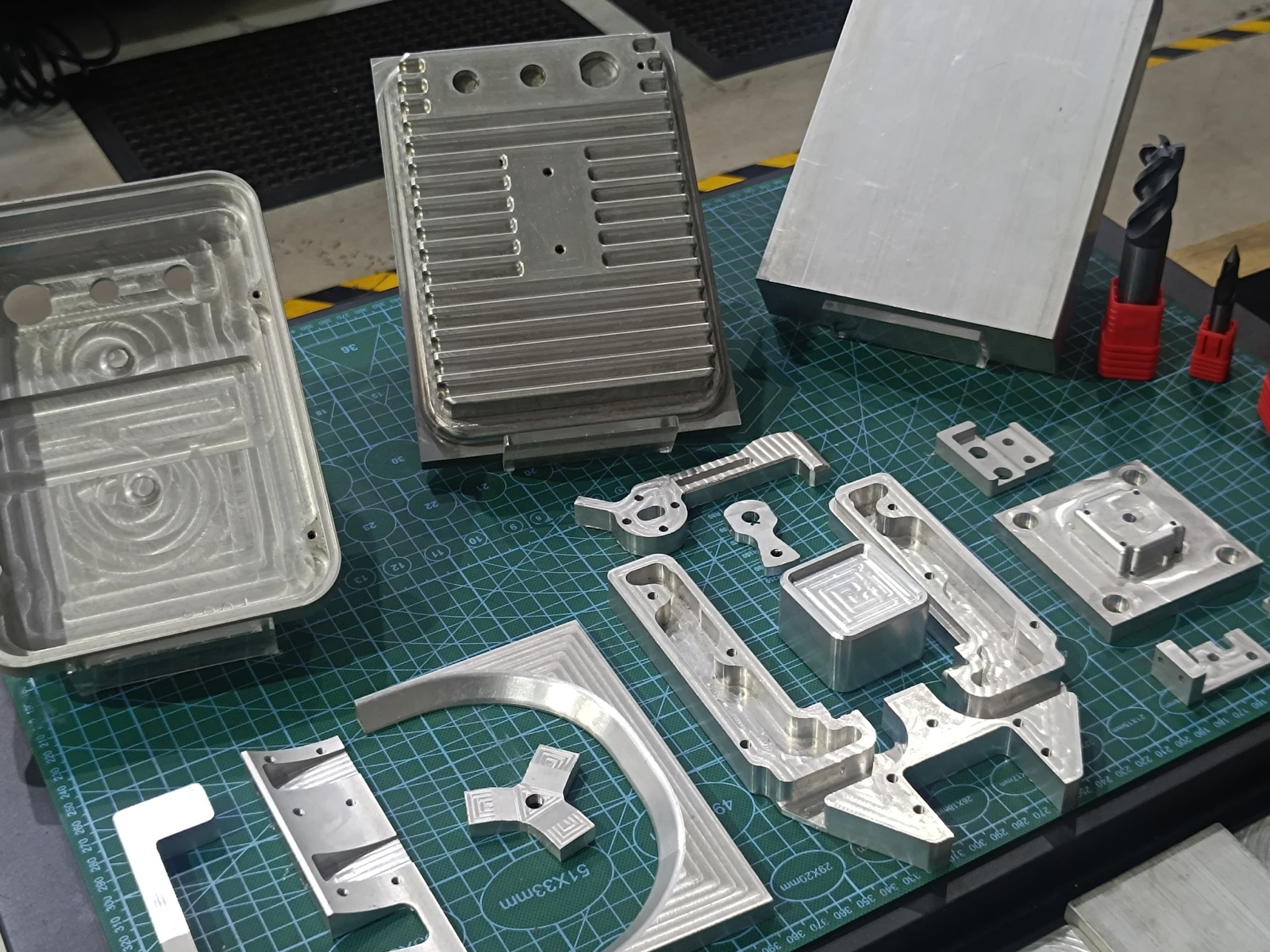
CNC milling is used wherever a part needs to be geometrically accurate and functionally reliable. In practice, that covers an enormous range of applications:
- Prototypes and product development — testing a design before committing to mass production
- Moulds and tooling — creating the cavity tools used in injection moulding or casting
- Jigs and fixtures — holding tools used during assembly or inspection
- Spare and replacement parts — reproducing discontinued components or repairing equipment
- Custom components — one-off or small-batch parts built to a specific requirement
- Enclosures and brackets — housings for electronics, motors, or mechanical assemblies
CNC Milling vs Other Manufacturing Methods
| Method | Best for | Limitations |
|---|---|---|
| CNC milling | Accurate metal and plastic parts, moulds, functional components | Slower for very high volumes than casting; cannot machine very deep cavities |
| 3D printing (FDM/SLA) | Concept models and visual prototypes | Weaker material properties, lower surface accuracy, poor for production |
| Laser cutting | Flat sheet profiles | 2D only — no 3D features |
| Manual machining | Simple single-surface jobs | Limited repeatability and accuracy |
For parts that need to work—not just look like the design—CNC milling is usually the right answer.
What Do You Need to Get Started?
To request a CNC milling quote, you typically need:
- A design file — ideally a STEP (.step / .stp) or SolidWorks (.sldprt) file, plus a PDF drawing with labelled dimensions and tolerances
- Material specification — what the part should be made from
- Quantity — how many parts you need
- Finish requirements — raw machined, deburred, anodised, or other surface treatment
No 3D file yet? A 2D sketch with clear dimensions, a physical sample, or a detailed photo can be enough to start a conversation. A good machine shop can help you take it from there.
CNC Milling in Sri Lanka
Precision CNC milling is available locally in Colombo. CNCFactory operates a HAAS VF-2 machining centre at our workshop on Vauxhall Street, Colombo 02, serving clients across Sri Lanka with custom part manufacturing, mould making, and CAD/CAM design services.
Standard turnaround is 5 working days. Quotations are returned within 12 hours of receiving a file.